A home that remains comfortable to use
The best homes make everyday tasks feel natural. You can reach the controls you need, understand what they do, and adjust the room without unnecessary effort.
Living in place brings that thinking into the design conversation. It asks how the home can remain useful as routines and preferences change over time.
Begin with the small frustrations
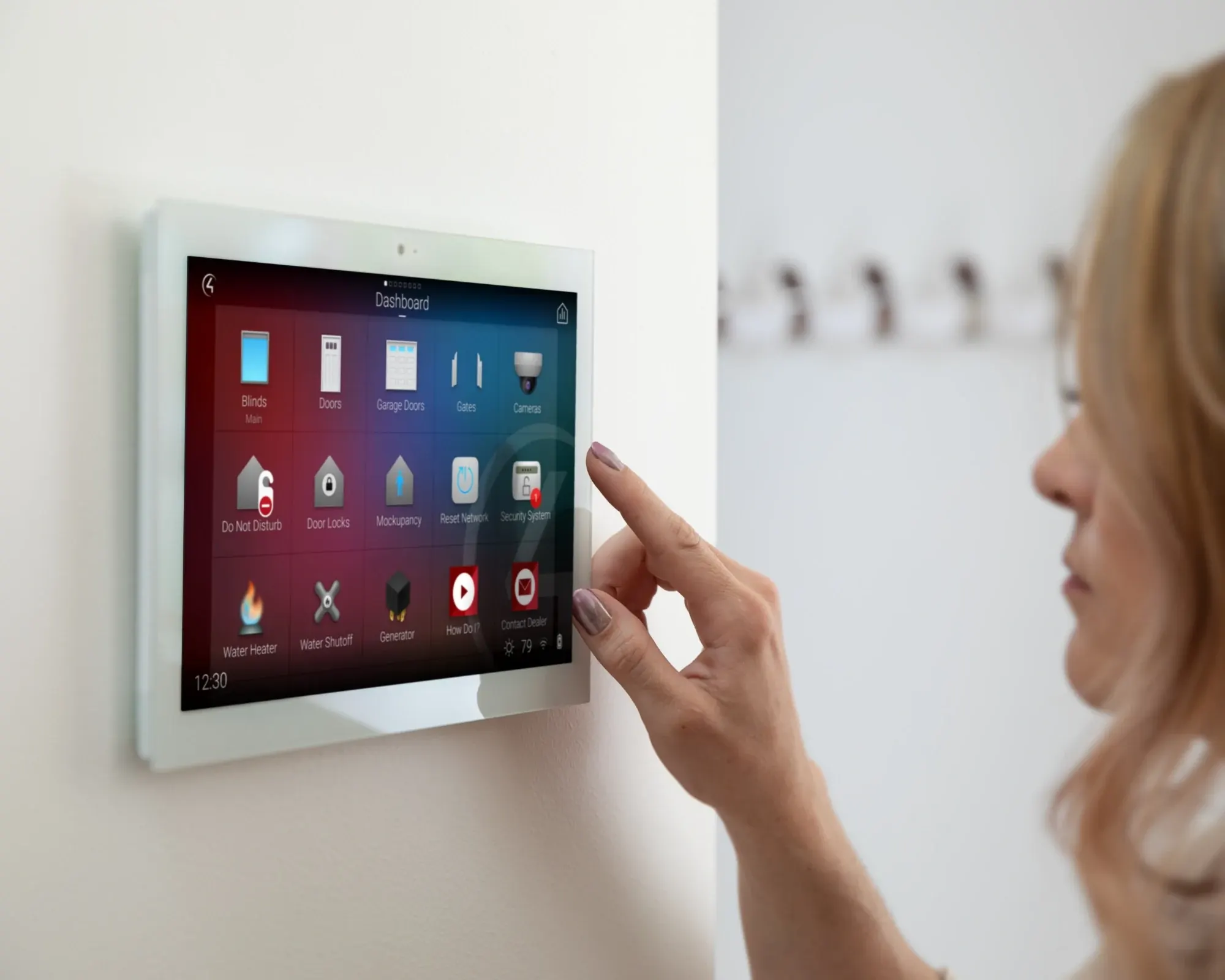
A shade that is difficult to reach. Too many steps to turn off the house at night. A keypad whose labels are hard to read.
These are practical details with practical answers. Motorized treatments, clearer controls, and well-chosen scenes can make selected functions more convenient.
Offer more than one way to interact
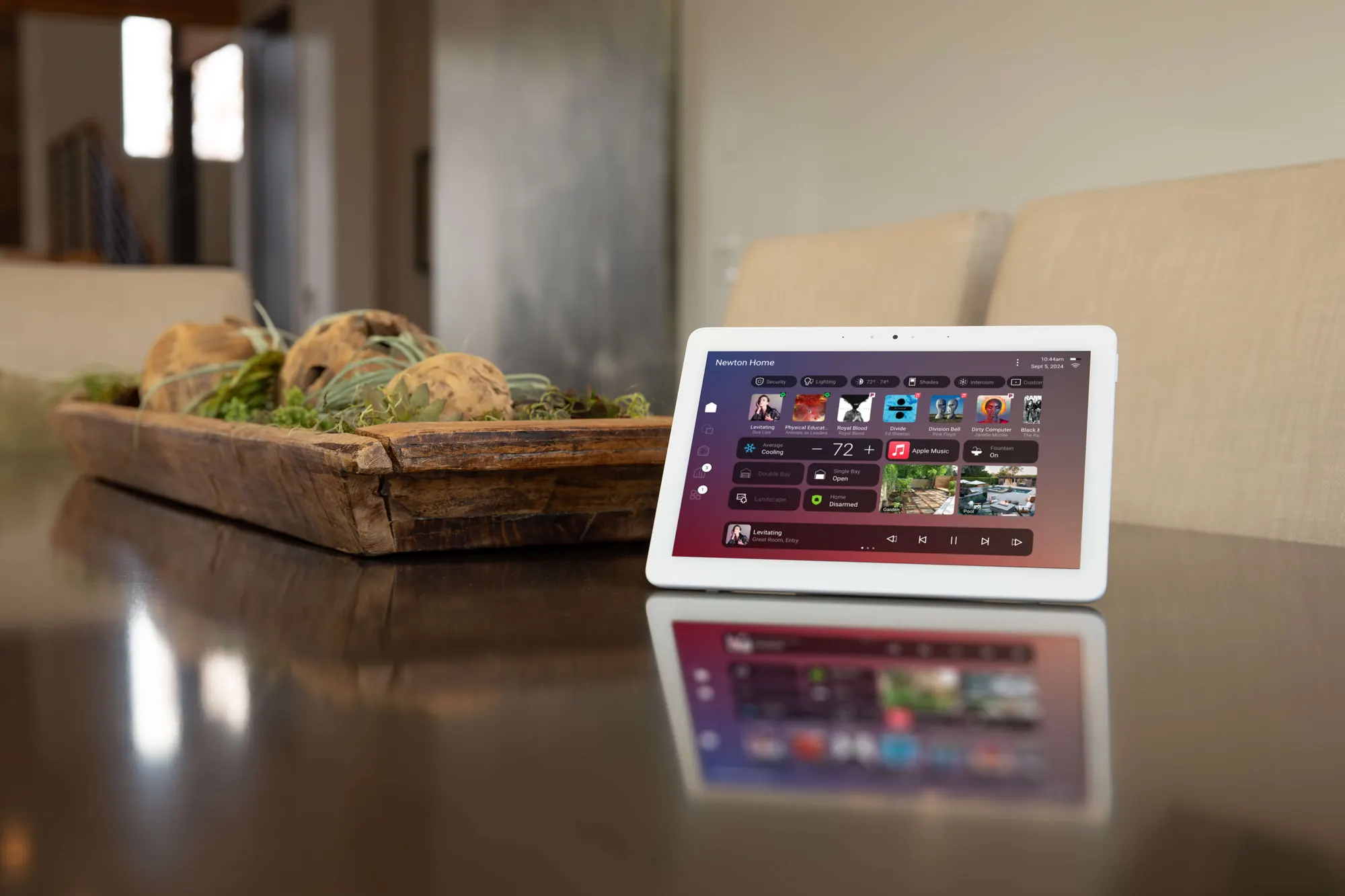
A keypad, remote, app, or compatible voice interface can each have a place. Josh.ai is one option to explore for voice and touch control of supported home systems.
The right approach depends on the person using it. A useful design preserves familiar ways to operate the room and does not assume everyone wants the same interface.
Plan for flexibility
During construction or renovation, wiring, power, networking, and control locations can be considered with future changes in mind. A little planning may provide more options later.
Bedrooms, bathrooms, kitchens, and the paths between them are valuable places to begin discussing everyday convenience.
A personal place to begin
Start with what you would like to make easier
I welcome conversations with homeowners and their project teams about thoughtful technology that suits the way the home is used today and the possibilities ahead.
Call or text 631-495-8069.
Home technology is not a substitute for professional accessibility assessment, medical care, or emergency assistance. Individual requirements should guide the design.